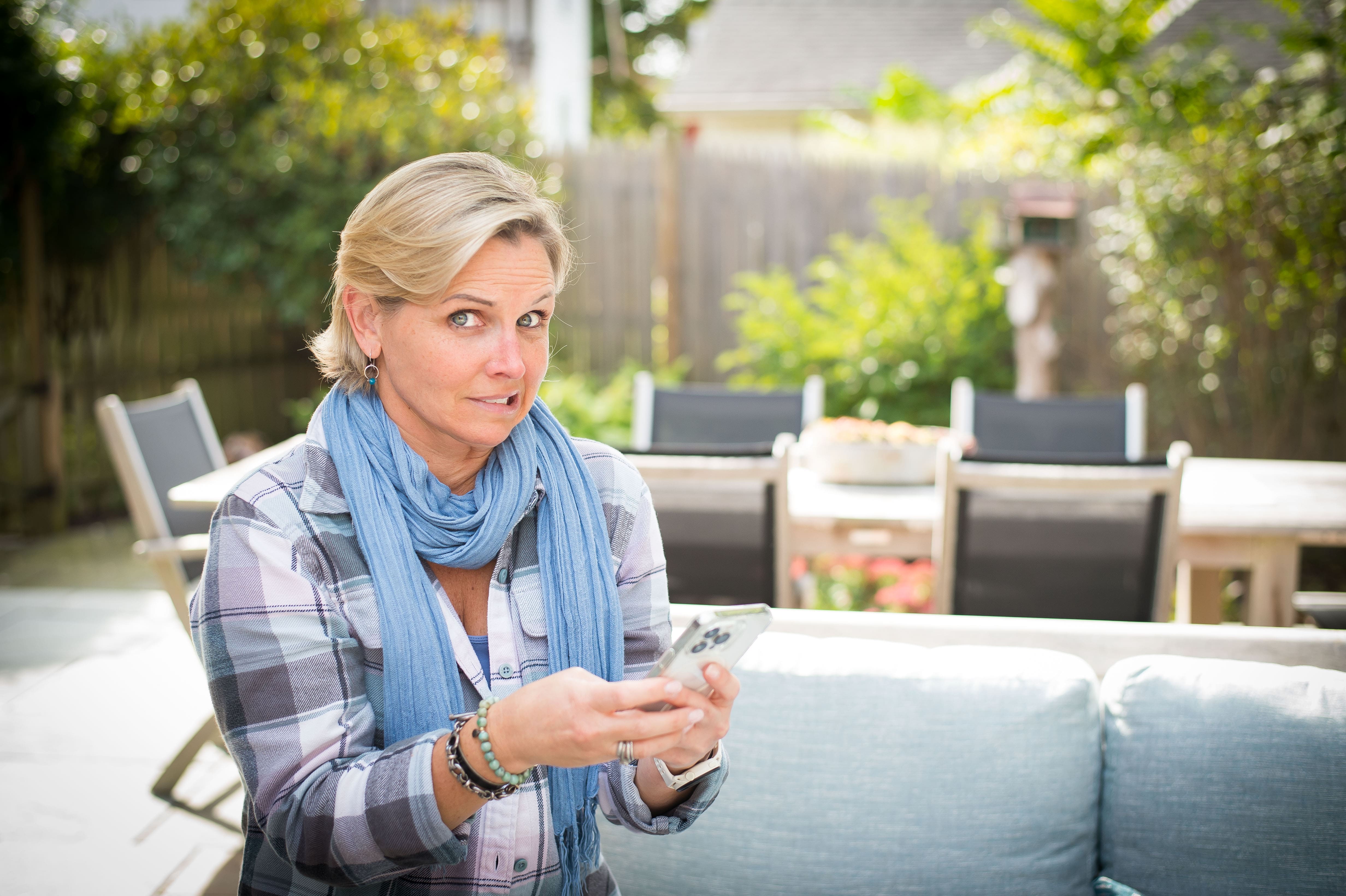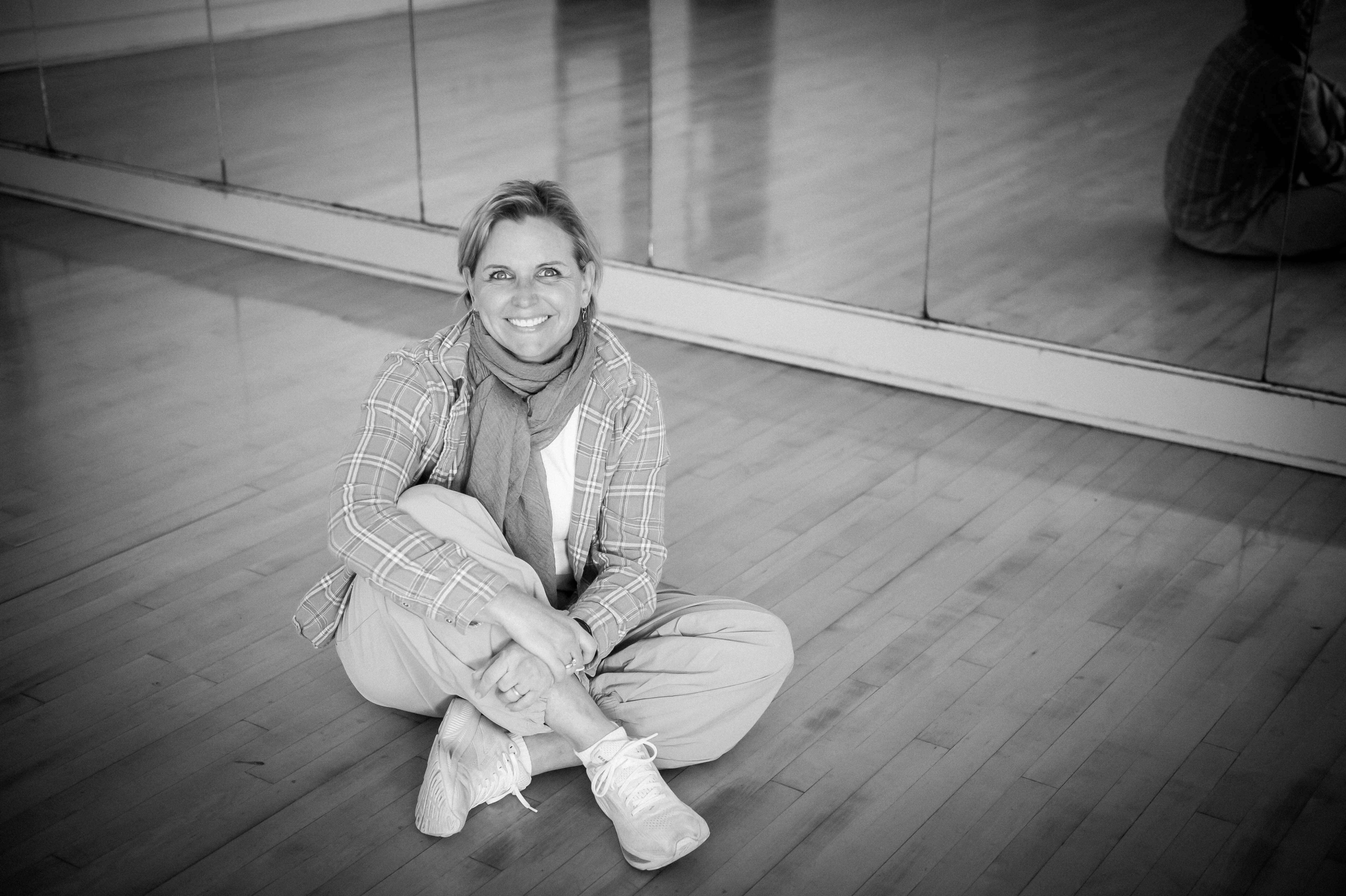


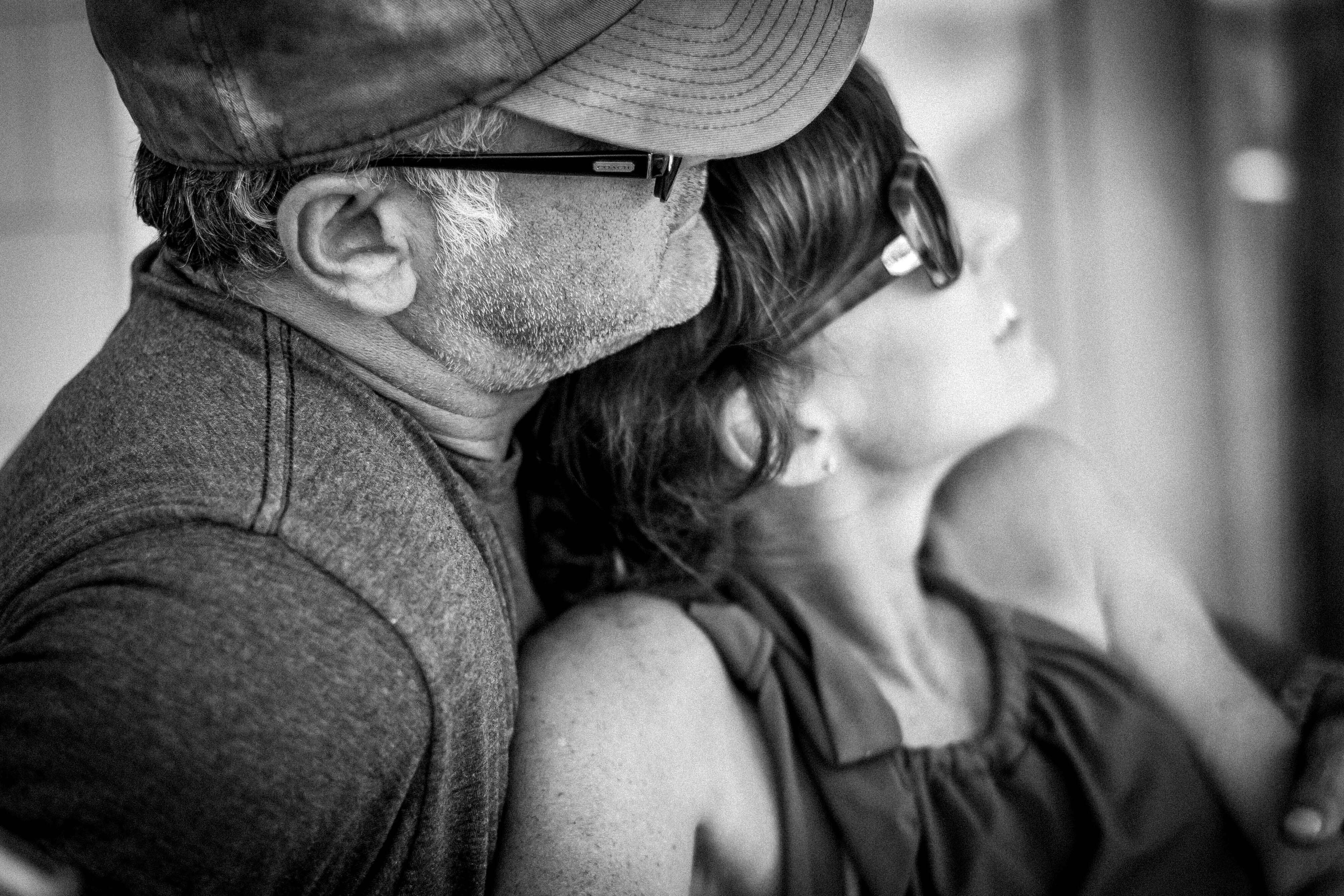
Hello there, Team. My long-time subscribers are going to be familiar with one of my guests today, because we have been collaborating professionally together for years. My good friend Christine joined me in the studio, but she also surprised me and brought my buddy (her husband) Dave Patenaude with her. DP, in the house!
The three of us chatted for so long, I had to break our conversation into three parts. Today, I’m going to share Part I where we discuss Christine’s diagnosis in 2019. We’re going to jump right in here folks, but please know that Christine is still holding her weekly call that’s open to anyone who wants to gather with like-minded people for a calm, supportive hour of listening, sharing, and perspective. And I will link that information for you in the show notes.
Now, let’s jump in….
Links to Christine’s inspired work:
Info about c2 and the Community Call
About c2 Care Redefined
Transcript: Confession time Team —This is just a transcript of our conversation and it favors function over perfection. So yes — there will be typos, and moments where the transcript program just gave up. Please read with grace (and maybe your imagination).
Mags: Oh, Patenaudes, thank you so much for coming in today. It’s so great to see you as always. I was motivated to reach out to you not only because Christine and I worked together professionally on a lot of different projects through the years, but also just knowing what your family has had to manage over the last decade. There are so many things in life where you feel like you just keep getting hit and then there’s a high, and it felt like you guys were getting a lot of waves and no relief from the wave. So I just wanted you guys to come in and talk about how you get through those times.
Christine: Well, thanks, Mags, for having us.
Dave: Yeah, this is awesome. This is a good opportunity to kind of share, get caught up, and hopefully impart some knowledge.
Mags: As far as the timeline, I remember the first big hit being during the summer. It was your guys’ anniversary.
Christine: Mm-hmm.
Mags: That was six years ago. So why don’t you tell our listeners about the first wave?
Christine: Yeah. Our first “frying pan to the face,” maybe—or two-by-four to my head—was in July of 2019 when I was diagnosed with breast cancer. It came out of nowhere. We were in the middle of moving, somewhat homeless, and literally on our 25th wedding anniversary, about an hour before we were going to meet up with a bunch of family and friends—you included, Mags—I got a phone call. I dropped the phone, and Dave literally picked it up and heard that I had to go and start that whole journey of having cancer and being diagnosed. We didn’t even have a doctor’s office because we were in a new city. We were moving to Atlanta. I mean, the chaos was really insurmountable in some ways. Lucky for me, Dave really picked up the reins. I was in such shock and just really had to go silent. He was able to find doctors and connect with people both in Boston and Atlanta so that we had a bit of a plan. He really took that role for me, and I didn’t have to constantly tell the story over and over again. It’s almost like the trauma of being diagnosed and then having to repeat it every time you see someone. I was, in a sense, drowning, and I could remain quiet while he talked to the doctors and the family. I think he probably told you. I never even told you. When I think about it, I think he probably called you. I was sheltered in a way that was really beautiful.
Mags: And that’s a great thing to focus on too, because we always talk here about how we can be helpful as friends and family. Can you make these appointments? Can you tell people for me? Can you hold that torch? Because otherwise, how would you know that’s a torch that needs to be held?
Christine: Right.
Mags: I also want you to go back, Christine, because I know this is a really important part of your story. As we all know, moving is incredibly overwhelming, and you’re the only person I know who would squeeze in a mammogram at a time when you’re trying to take everything off your list that isn’t absolutely necessary. To me, that’s mind-boggling that for whatever reason that made it on your list.
Christine: Right.
Mags: Because I know it’s part of your story that we want to remind everybody.
Christine: I’m really in gratitude for that because a friend of mine had announced on Facebook that she had a mammogram and got this awful diagnosis. If I hadn’t seen her brave words on social media, it wouldn’t have clicked in my mind to say, “I haven’t done this in two years.” It was the reminder I needed. I realized I hadn’t done it for the two years I lived in New Jersey. As luck would have it, I got there and didn’t have the right paperwork—the whole thing.
Mags: Of course.
Christine: So I had to schedule it again. On that trip up north is when I stopped in and went for the second mammogram. Then I got the call saying I needed more tests. I was like, okay… where do I go for that?
Mags: Mm-hmm. Because now you’re moving to Atlanta.
Christine: I don’t have anybody.
Mags: Atlanta. And you don’t—at least Dave—you have a whole community every time you move, like an immediate football community.
Dave: Yeah, I think the most fortuitous thing about this whole situation was that we were moving to Atlanta. The team doctors and the medical people aligned with the school I was going to jumped in immediately. Within a week we were with the best people in the cancer community in Atlanta. The head of surgery was a Georgia Tech grad, and we ultimately ended up talking more football than Christine’s diagnosis, which was funny. But we were very fortunate that we were in a metropolitan area with good connections. In some of the other places we lived over the last 20 years, the medical care might not have been as high-end. You never want that kind of diagnosis, but in that situation we were fortunate to be surrounded by people who jumped into action right away. Typically it takes two, three, or four weeks to get appointments, and within a week we were in with the best people in Atlanta. That was the starting point for her journey.
Mags: Yeah, and I appreciate you saying starting point because that’s just the beginning. Then there’s treatment.
Christine: I also need to make a little plug for one of my childhood friends who got me an appointment at her OB-GYN so I could get the test I needed.
Mags: Oh, that’s wonderful.
Christine: It’s amazing because I told the story to the woman who answered the phone and she immediately wanted to help. There was no hesitation, and it was over July 4th too.
Mags: Mm-hmm.
Christine: Nobody’s working on July 4th. This was before I was diagnosed with cancer—it was just about getting the tests I needed. This woman and I are still friends to this day. She said, “I heard your voice and I just knew I had to help.” She told the doctor, “You have to see this woman.” That’s how I got the testing that confirmed I had cancer. It was all because of the generosity of people willing to help me.
Mags: I have to put a plug in here because my sister-in-law is an oncology nurse and she’s constantly going above and beyond for her patients. Sometimes that’s your only connection to your healthcare.
Christine: That’s it.
Mags: You’re not going to have direct access to the doctor all the time. Those nurses answering the phone are the ones hearing the stories.
Christine: Exactly.
Mags: And they’re saying, “Nope, I’m not taking no for an answer. We’re going to figure this out.”
Christine: And it was July 4th. Everyone was leaving and she just plowed through. What was also interesting is that I had an opinion from a surgeon in Connecticut, and then we were referred to doctors in Atlanta. I had all these multiple opinions of people.
Mags: Right.
Christine: When would you ever get that?
Mags: You would never fly to Connecticut for a second opinion.
Christine: Exactly. I had three different opinions. We also connected with a friend who had a contact at Dana-Farber. So I had someone at Dana-Farber looking at my case, the Connecticut doctor, and then ultimately our doctor in Atlanta. This trifecta of women helped me out without ever having a relationship with me.
Mags: Right. So essentially strangers coming together. Talk to me about how—because I know you don’t make decisions alone—these are family decisions. You have these three opinions. What was the decision process for how to move forward?
Christine: Well, we really didn’t say anything to our girls at first.
Mags: Oh, okay.
Christine: I don’t know if that was the right choice or not. They were younger then, and we were moving. Without really knowing what was ahead of me, I didn’t want to open a door for them to worry. But as luck would have it, our oldest started to get wind of something. If I remember correctly, she came to you and you told her a little bit of what was going on. We didn’t have all the answers then, but we wanted them to feel like we were going to figure it out. At the end of the day, you just take one step.
Dave: And it just kept moving forward.
Christine: It did move forward, but there were steps along the way you didn’t anticipate. We just kept making the best decision we could at that moment. We had great care and doctors who were very communicative. At one point we asked the doctor, “If this were your wife, what would you do?”
Mags: Right.
Christine: So we just focused on small steps. I really felt that I was in good hands. As I began to look back at the threads in my life, I felt that God’s hand was with me the whole time. I mean, when are you diagnosed with cancer and then an hour later you’re celebrating your 25th wedding anniversary in a circle holding hands?
Mags: I’m tearing up honestly, because none of us knew. Dave and Christine were in the center of the circle and none of us knew the news they had just received. There was this incredible healing energy that needed to happen. We were all at one long table breaking bread with strangers, new friends, and old friends. It felt like a magical way to start such a difficult journey.
Christine: In the cancer world, so many people live in their diagnosis and build their story around it. I’ve chosen not to prioritize that. What I’ve been learning over the last six years is that healing is a continuum. It’s not about being “healed” and done. If my heart is beating, I’m healing. Your body knows how to heal. Healing is mind, body, and soul. You can’t talk about your body without your mind and spirit. All the twists and turns since that first diagnosis have put us on a trajectory I could have never imagined. And as strange as it sounds, I wouldn’t trade it.
Mags: Christine, before we move on to the next wave in your life, people don’t know your story of how many rocks you were willing to turn over through this process—things that had nothing to do with clinical treatment.
Christine: Right. I’ll share a quick story for context. When my second daughter was born, it was during football season and I was terrified I’d be alone. Two women, unconnected, both mentioned hypnobirthing to me during my pregnancy. I took that as a sign and found a hypnobirthing class at Yale. I convinced the teacher to come to our house on Thursdays when Dave was there. Sure enough, I went into labor on game day—exactly what I had feared—and you took Eva for me before the ambulance came. I got to the hospital and delivered my baby about 15 minutes after the doctor arrived, which meant I labored at home by myself the entire time using the hypnobirthing techniques. Fifteen years later, when I was diagnosed with cancer, I knew I could create a different way through it. That experience taught me that my mindset could remove fear. It propelled me to explore every rock—anything that could help me stay calm and allow my body to heal.
I explored things like sound healing that changes the frequencies of your cells. I created a call for women so they could join a community without even speaking or showing their faces. Just being met where you are is fundamental when you’re going through something like cancer. I also focused on nutrition and what I could do to help my body heal better. One thing that might sound silly is that before hospital procedures I would get a blowout, get my nails done, and pack nice pajamas. In hypnobirthing they teach you to pack your bag as if you’re going on vacation because you’re celebrating a birth. I applied that same idea to my surgeries. Why not? It worked the first time. I dressed nicely, carried a beautiful bag instead of medical folders, and refused to show up feeling defeated. Even now when I go into a doctor’s office, I think about what I’m wearing. It’s a way of reminding myself that I’m worthy of the care I’m receiving.
Mags: You’re so your grandmother’s granddaughter—“I got dolled up.”
Christine: Totally. And I did it every time. It was just a way to celebrate yourself.
Mags: I want to bring Dave into the conversation because Christine is over here feeling no fear. Meanwhile you’re starting a new job, the girls are starting new schools, and you have to be present for your spouse and your new bosses. What did that time look like for you?
Dave: I think the interesting thing about being the partner of someone going through something like cancer is that there’s no game plan for the spouse. You’re trying to be supportive while also dealing with your own fear about what this means. Over the last six years I’ve learned that fear can be debilitating, and you have to find a way to manage it so you’re not completely consumed by it. In that situation I jumped into action because that’s what I know how to do. I tried to maintain some level of normalcy for the girls. Christine is the doer—she’s the oldest, I’m the youngest—and as a 35-year college football coach I’ve spent my life managing people. That’s what I knew how to do. But in the quiet hours you still have to deal with your own thoughts. You have to acknowledge the fear and allow yourself to grieve and be upset. There’s a balance between being strong for your partner and allowing yourself to feel what you’re feeling. The person going through the illness actually has a plan—A, B, C, D—because the doctors lay it out. But the person supporting them doesn’t have that blueprint. It’s important to acknowledge that fear and find a way to move through it.
I remember the surgeon at Emory saying, “Christine, you’re going to die someday, but you’re not going to die from this and you’re not going to die today.” That put us both at ease. But again, the person going through it has the plan. The supporter has to figure it out as they go. It’s important to acknowledge the fear and not just try to sweep it under the rug or act tough. In the quiet hours your mind can take you to bad places. You have to allow those feelings while also finding your way forward. We’re fortunate that we’re a strong unit and that we have a lot of support around us. Communication is critical. When you’re open and honest, things can move forward. If you sweep things under the rug, they become debilitating.
Mags: One of my friends says newborns do nothing for a marriage because both people feel like they’re carrying this heavy load. I’m sure cancer isn’t great on a marriage either.
Dave: I think that’s true whether it’s cancer, a job loss, a move, or a death in the family. One person is going through the nuts and bolts of the issue and the other is the copilot trying to figure out how to help. That role changes for every family and every partnership. It might be a spouse, a friend, a cousin, or a sibling. The question is always: what does that person need, and how can I pick up the slack without losing myself in the process? That requires communication. Sometimes that communication can get a little dicey, but you have to put your ego aside and focus on what the other person needs. Maybe it’s as simple as, “I just need to sleep. Can you go get the kids?” Being able to communicate those needs is what helps people move through difficult times.
Mags: Even hearing you say that reminds me that it really has been this constant balance of one person needing support and the other stepping into the role of supporter.
Hey Team, Mags here again. Just a quick reminder that we’ll continue this conversation in May with Part II, where we talk about another major curveball the Patenaudes had to navigate—an abrupt job loss that changed things overnight for their family. Christine and Dave share honestly about how they moved through it together, along with an approach and a few lessons you won’t want to miss.
Until then…
Welcome to my blog turned podcast! Here you can listen or read about what’s on my mind as I try my best to recover from screaming at my kids and nagging the bejesus out my husband.
Join TeamConfessions, a.k.a. "TeamC"—the posts are super short—you’ve got this.

| Website by Crearé Web Solutions |